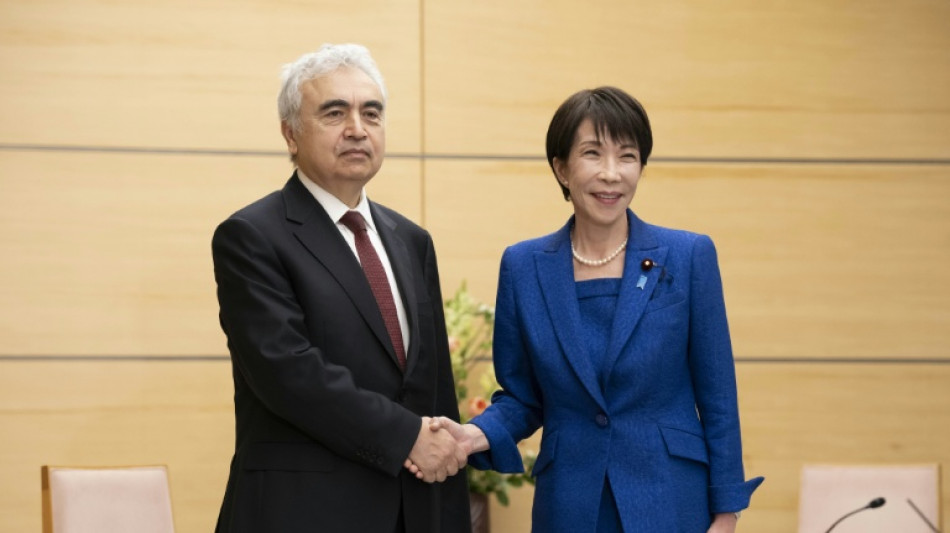
IEA chief says 'ready' to release more oil reserves if needed / Photo: Yuichi YAMAZAKI - POOL/AFP
The head of the International Energy Agency (IEA) said Wednesday that he was "ready" to approve the release of more oil reserves if needed to cushion the impact of the Middle East war on global supplies.
Fatih Birol made the comments on a visit to Tokyo, where Japanese Prime Minister Sanae Takaichi asked the IEA to carry out an additional release "in case the situation drags on".
Since last month, US-Israeli attacks on Iran and Tehran's subsequent responses, including its de facto closure of the Strait of Hormuz, have severely disrupted global oil supplies, causing concern over rising prices in Japan and other import-dependent Asian economies.
The IEA previously said member countries would unlock 400 million barrels of oil from their reserves to ease the impact of the Middle East war, the biggest such release ever.
Birol said Wednesday that the amount was only 20 percent of the agency's stocks and there was "still a significant amount of oil" left over.
"If and when necessary we are ready to move forward (with another release), but I very much hope that it will not be necessary," he said.
"The world is facing a serious energy security threat, but the International Energy Agency is ready to play its core role of being a guardian of global energy security."
In a meeting with Japan's Industry Minister Ryosei Akazawa, Birol said the IEA was "monitoring all the energy assets in the Middle East".
"If we believe there is a need, we will not hesitate to release more stocks to the market."
Japan depends on the Middle East for 95 percent of its oil imports.
The country started releasing 15 days' worth of private-sector petroleum reserves last week, and will begin tapping into government stockpiles on Thursday.
Tokyo also plans a release from joint stockpiles held by producing nations in the country by the end of the month.
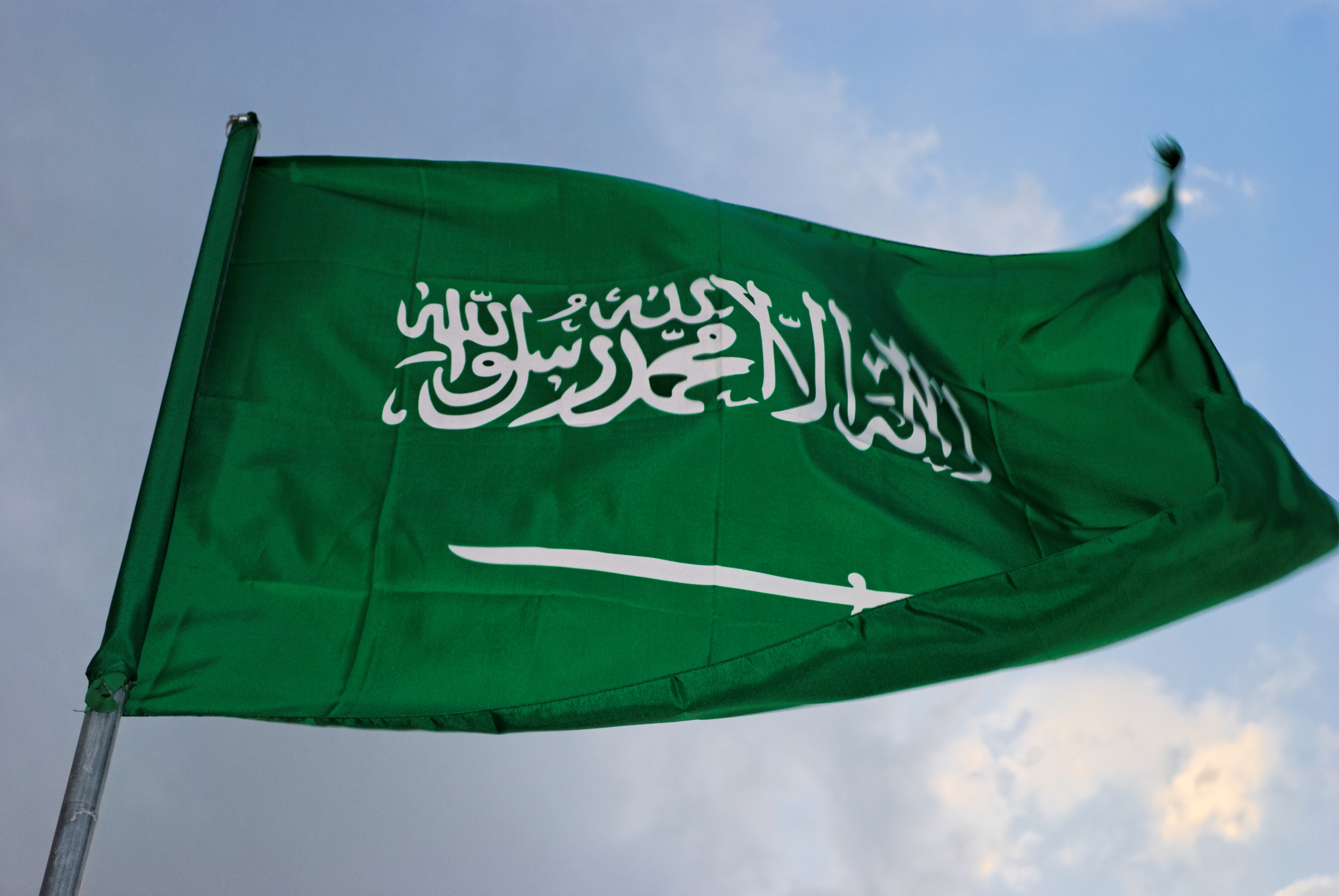
A joint reserve is held in Japan by Saudi Arabia, the United Arab Emirates and Kuwait, according to the Petroleum Association of Japan.
Under normal circumstances, the jointly stored crude is commercially used, but in the event of an emergency, Japanese oil companies have preferential purchasing rights.
O.Shaya--al-Hayat