Malaysian Doctors Successfully Separate 40-Day-Old Conjoined Twins

Medical teams in Malaysia have successfully separated a pair of premature conjoined twin boys who were fused at the lower spine. The complex operation, conducted at the Sabah Women and Children’s Hospital on 17 September, was performed when the infants were just 40 days old, ahead of the originally planned timeline due to one twin's deteriorating respiratory health.
Doctors in Malaysia have successfully separated a pair of premature conjoined twin boys who were fused at the lower back, marking a significant medical achievement for the region's healthcare system. The complex procedure was carried out on 17 September at the Sabah Women and Children’s Hospital in Likas, when the infants were just 40 days old.
The twins were born with pygopagus, a rare condition in which they are joined at the dorsal side, specifically involving the lower spine, sacrum, and pelvis. While the initial medical plan had been to perform the separation surgery when the boys reached four to six months of age, the timeline was accelerated due to clinical developments.
According to the hospital, one of the babies began requiring increased respiratory support within the neonatal care unit. This development prompted doctors to advance the date of the operation, citing the need to manage the physiological stress placed on the twins' shared organ systems at such a young age.
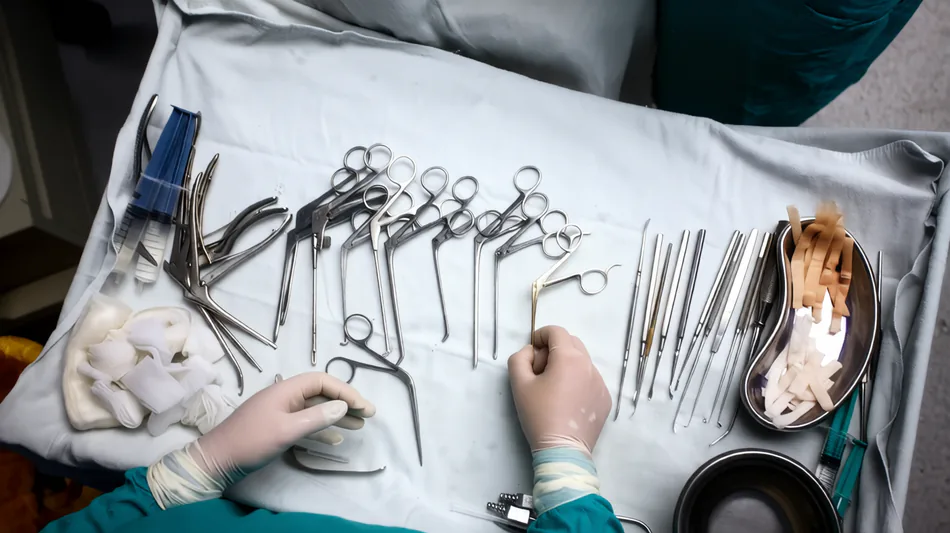
The separation involved a multidisciplinary team of specialists from the Sabah hospital, Tunku Azizah Hospital in Kuala Lumpur, and Sarawak General Hospital. Pediatric surgeons worked to separate the twins' shared intestinal and urinary systems before rebuilding their pelvic floors. This process included creating separate anal openings and reconstructing the urinary passages.
Simultaneously, neurosurgeons performed nerve mapping and separation around the sacrum. This step was critical to protect spinal cord function and preserve potential leg movement for both infants. The hospital confirmed that the babies remain under close observation and are receiving specialized care following the procedure.
In a statement regarding the outcome, the hospital highlighted the capabilities of its local medical staff. "The successful management of two highly complex separation surgeries within such a short period highlights the exceptional commitment, initiative and clinical capabilities of our local medical teams," the institution said.
This success follows another recent milestone for the facility. In July, the same hospital successfully separated conjoined twin girls who had been born prematurely with heart and kidney problems. The Malaysian case adds to a broader regional context of complex pediatric surgeries, including a June procedure in Saudi Arabia where doctors separated two-year-old twins from the Philippines connected from chest to abdomen.
The Malaysian twins' condition, thoraco-omphalopagus in the Saudi case or pygopagus in this instance, requires intricate coordination among surgical specialties. The successful outcome in Sabah demonstrates the capacity of local medical teams to handle high-risk neonatal interventions previously requiring international referral.
C.Khalifa--al-Hayat