Tehran fuel dumps burn as Iran warns it can fight for months
Huge fireballs and clouds of thick smoke erupted over Tehran on Sunday after US-Israeli air strikes hit fuel depots in the city, as Iran's Revolutionary Guards vowed to fight on for months to come.
Israel's deadly campaign also reached into the heart of downtown Beirut with a strike aimed at killing "key commanders" in Iran's covert Quds Force in the Lebanese capital on Saturday. Lebanon's health ministry said the strike killed at least four people.
As the war extended into its ninth day, Iran's Revolutionary Guards said they had enough supplies to continue their aerial drone and missile war over the Middle East for up to six months, while US President Donald Trump again refused to rule out sending American ground troops into Iran.
Guards spokesman Ali Mohammad Naini said Iran had so far used only first- and second-generation missiles, but would use "advanced and less-used long-range missiles" in the coming days.
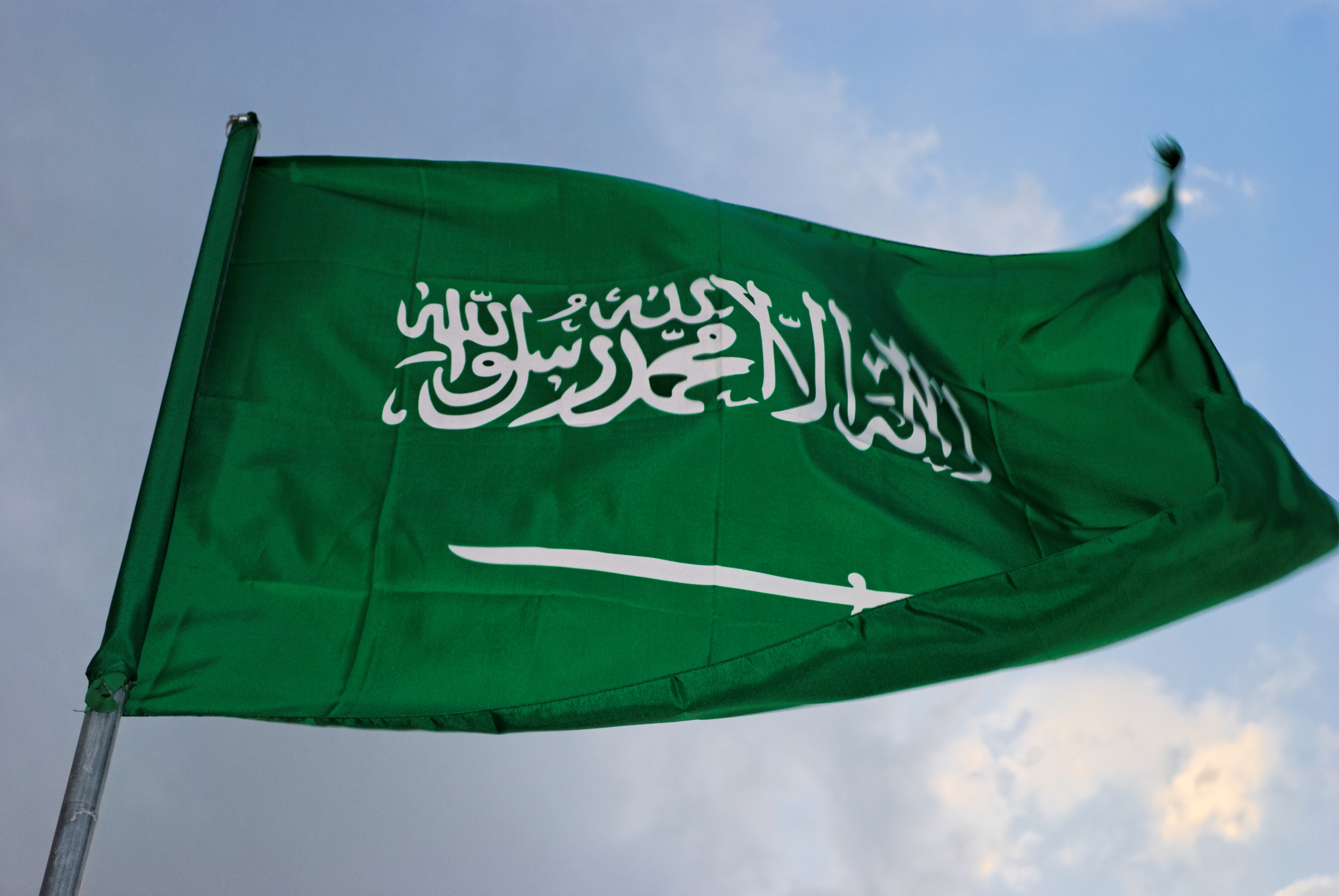
Saudi Arabia intercepted a wave of drones headed for targets including the diplomatic quarter in its capital Riyadh, Kuwait said an attack hit fuel tanks at its international airport and Bahrein reported that a water desalination plant had been damaged in an Iranian drone attack.
Warplanes hit five oil facilities in overnight strikes in and around the Iranian capital, killing four people, the CEO of the national oil products distribution firm told state television.
Tehran's governor told the IRNA news agency that fuel distribution had been "temporarily interrupted" in the capital while repairs were carried out.
- 'This is a warning' -
A dark haze hung over the city as morning broke and a smell of burning lingered in the air.
The Israeli military confirmed that its air force had struck "fuel storage facilities in Tehran" to prevent their use by the government's military.
Israeli Prime Minister Benjamin Netanyahu has vowed to press on with the war against Iran and to eradicate the country's leadership after a US-Israeli raid killed supreme leader Ayatollah Ali Khamenei last week.
A member of Iran's 88-member Assembly of Experts said Saturday that the body would meet within a day to choose the country's next supreme leader, Iranian media reported.
Israel, in a message on its Farsi-language social media account, issued a stark warning to the panel and whoever it ultimately chose.
"We want to tell you that the hand of the State of Israel will continue to follow any successor and anyone who seeks to appoint a successor," it said.
"We warn all those who intend to participate in the successor selection meeting that we will not hesitate to target you. This is a warning!"
- 'Trapped' -
Trump attended the return of the bodies of six American service members killed in a drone strike on a US base in Kuwait last Sunday.
Tehran has vowed to go after US assets in the region, and Saudi Arabia, Qatar, the United Arab Emirates and Kuwait all reported new attacks on Sunday.
Inside Iran, damage to infrastructure and residential areas is mounting as its people report growing anxiety and a heavy security presence.
"I don't think anyone who hasn't experienced war would understand it," a 26-year-old teacher told AFP on condition of anonymity, describing the fear of living under bombardment.
Iran's health ministry said Sunday that at least 1,200 civilians had been killed and around 10,000 wounded -- figures AFP could not independently verify.
Israel launched strikes on a Hezbollah bastion in the southern suburbs of Beirut, after Lebanon was drawn into the Middle East war this week when the Iran-backed militant group attacked Israel with rockets and drones in response to Khamenei's death.
Lebanon's health ministry said at least 294 people have been killed in Israeli air strikes over the past week, prompting Prime Minister Nawaf Salam to warn of a looming "humanitarian disaster".
- No clear way out -
Analysts warn there is still no clear path to ending a conflict that US and Israeli officials say could last a month or longer.
Trump has suggested Iran's economy could be rebuilt if a leader "acceptable" to Washington replaces the late supreme leader, which Tehran has rejected.
China's top diplomat Wang Yi said on Sunday that the war in the Middle East should "never have happened".
"This is a war that should never have happened," he told a press conference in Beijing, adding that "a strong fist does not mean strong reason. The world cannot return to the law of the jungle."
burs-jfx/dc/smw
L.al-Mutairi--al-Hayat